A Symphony of Shade and Sun: Designing Gardens for All Light Conditions Apr 13, 2026
Understanding the unique challenges and opportunities presented by varying light conditions is critical for designing successful gardens. Whether you're working with a sun-drenched expanse or a tranquil shaded retreat, each setting offers distinct possibilities. Let's delve into some practical tips and insights on how you can create a harmonious garden, regardless of the light conditions.
Begin by assessing the light conditions of your garden. Knowing where the sun rises and sets in relation to your garden will help in understanding which areas receive the most sun and which remain in shade. This crucial step forms the foundation upon which all other garden design decisions will rest.
For sunny areas, embrace the warmth-loving plants that thrive in full sun by focusing on drought-tolerant species. Ornamental grasses, coneflowers, and lavender not only withstand the sun's intensity but also add texture and aroma to your landscape. Consider using mulch to retain moisture and protect the roots against the scorching heat.
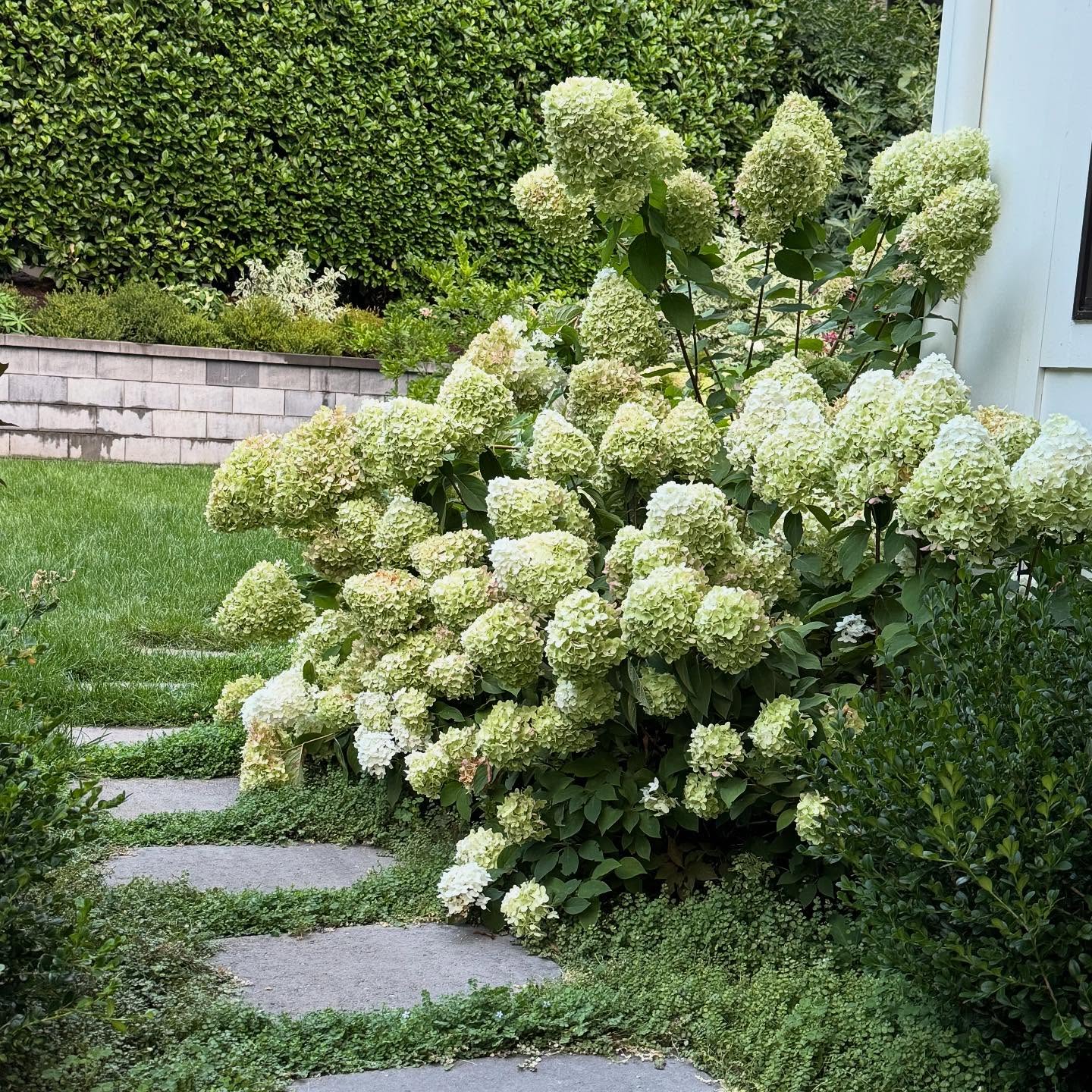
Conversely, shaded areas can become lush, calming retreats. Opt for plants that are natural shade-lovers such as ferns, hostas, and hydrangeas. To prevent the space from looking monotonous, incorporate textures and varying heights. Use decorative hardscaping elements, like stone paths or water features, to add visual interest and movement in shadier spots.
Blending the sun-loving and shade-preferring plants seamlessly requires thoughtful transitions. Perennial borders with repeated plant rows can create a beautiful gradient effect between sunlight and shade-loving plants. This method not only highlights the natural beauty of each species but also promotes a cohesive garden design.
Water management is another essential aspect to consider. Sunny spots might require a more efficient irrigation system to compensate for water loss, whereas shaded areas might not dry out as quickly. Implementing a drip irrigation system can efficiently address the diverse watering needs within your garden, ensuring all plants receive optimal care.
Additionally, the choice of decorative elements and garden furniture can significantly affect the perception of light in your garden. Light-colored materials can reflect sunlight and brighten shaded corners, while darker tones can anchor sunny spots, giving the garden a complementary feel.
Maintenance is a critical component in preserving a garden's splendor. Regular pruning is necessary to allow light penetration and ensure air circulation in dense vegetation. Keeping a watchful eye on pest control is also essential, as different species can be attracted to various plants depending on their growth environment.
At Courtney Lewis Landscape Design, we emphasize creating personalized garden experiences that are both beautiful and sustainable. By understanding and working with the natural light conditions of your landscape, you can craft a garden that not only thrives but also enchants all who visit. With the right approach, your outdoor space can become a true symphony of shade and sun—a testament to the enduring beauty of nature and design working harmoniously together.
In conclusion, designing gardens for varying light conditions is an art that combines knowledge, creativity, and care. Every garden tells a story shaped by the sun and shade harmonizing to create a space that provides year-round beauty and retreat. Let us guide you in composing your own garden masterpiece that radiates both tranquility and vitality.