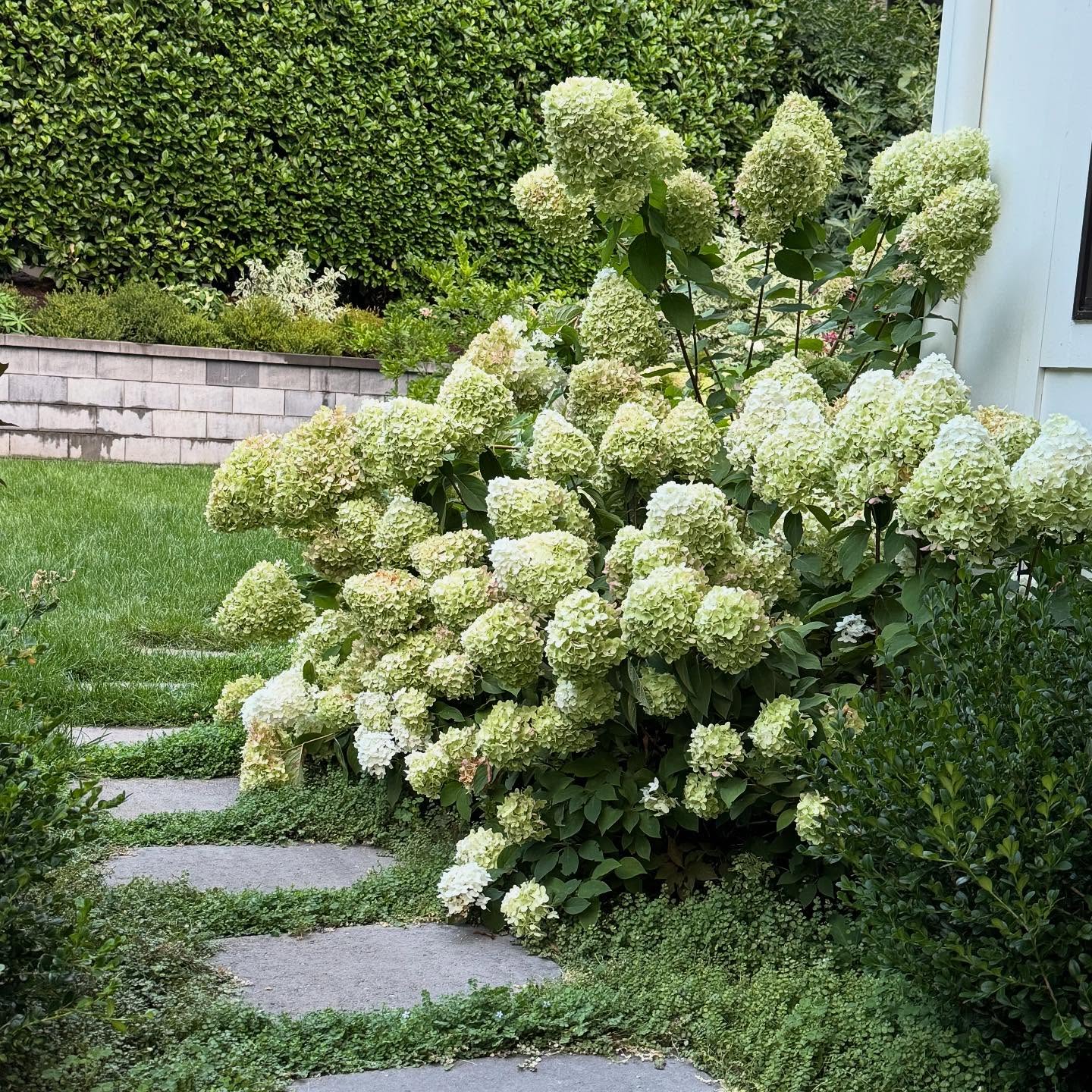
Aromatic Atmospheres: Designing Gardens with Fragrance as a Focal Point Aug 31, 2026
When designing a fragrant garden, it's important to first understand what scents you are naturally drawn to. Do you prefer the sweet aroma of roses, the fresh scent of mint, or perhaps the exotic spice of lavender? Once you know your preferences, you can begin incorporating those scents into your garden design. Selecting plants that bloom at different times will ensure a consistent fragrance throughout the seasons. For instance, honeysuckle and jasmine are spring bloomers, while lavender and rosemary thrive in the summer.
The positioning of these plants is another crucial element. To make the most of your fragrant flora, place them near entranceways, paths, and seating areas where the scent can be fully appreciated. Consider adding herbs or strongly scented flowers to borders and containers to intensify the aromatic experience. Moreover, the olfactory appeal can be amplified by choosing plants that release scent when brushed against, perfect for positioning along garden paths.
Another powerful way to enhance the fragrance of a garden is by incorporating night-scenting plants. Varieties such as evening primrose or night-blooming jasmine release their heady fragrances at dusk, creating a magical ambience perfect for evening relaxation. These can transform a typical garden into a fabulous nighttime retreat, their scents enveloping you as the day draws to a close.
In addition to plant selection and placement, consider the role of the weather and climate in your garden's scent profile. Generally, warmer temperatures will increase a plant's fragrance intensity. It’s advisable to choose plants suitable for your local climate to ensure they thrive and release their best aromas. Courtney Lewis Landscape Design can help you choose the perfect varieties for your specific region, ensuring a lush and fragrant garden with minimal maintenance.
Creating an aromatic atmosphere isn't solely about selecting the right plants; it's also about integrating elements that encourage you to linger and enjoy. Adding comfortable seating, such as a cozy bench or a swing surrounded by fragrant plants, invites you to sit and take in the beautiful scents. If space allows, incorporate water features to complement the garden's sensory appeal, their gentle sounds providing a tranquil backdrop to the rich, aromatic environment.
Finally, maintaining your aromatic garden is key to its ongoing success. Regular pruning of flowering shrubs will encourage more blooms and, in turn, more fragrance. Removing spent flowers, known as deadheading, will allow the plant to focus energy on producing more buds. Additionally, be mindful of the soil and water requirements of specific plant species to sustain their health and scent production.
In conclusion, designing a garden with fragrance as a focal point can transform your outdoor space into a multisensory experience that feels like a personal retreat. Courtney Lewis Landscape Design is here to guide you every step of the way, ensuring your garden is a harmonious and fragrant extension of your home. With careful planning and the right plant choices, you can enjoy a garden that captivates the senses and uplifts the spirit year-round.