Color in Harmony: Designing Landscapes with Vibrant Plant Combinations Jun 28, 2026
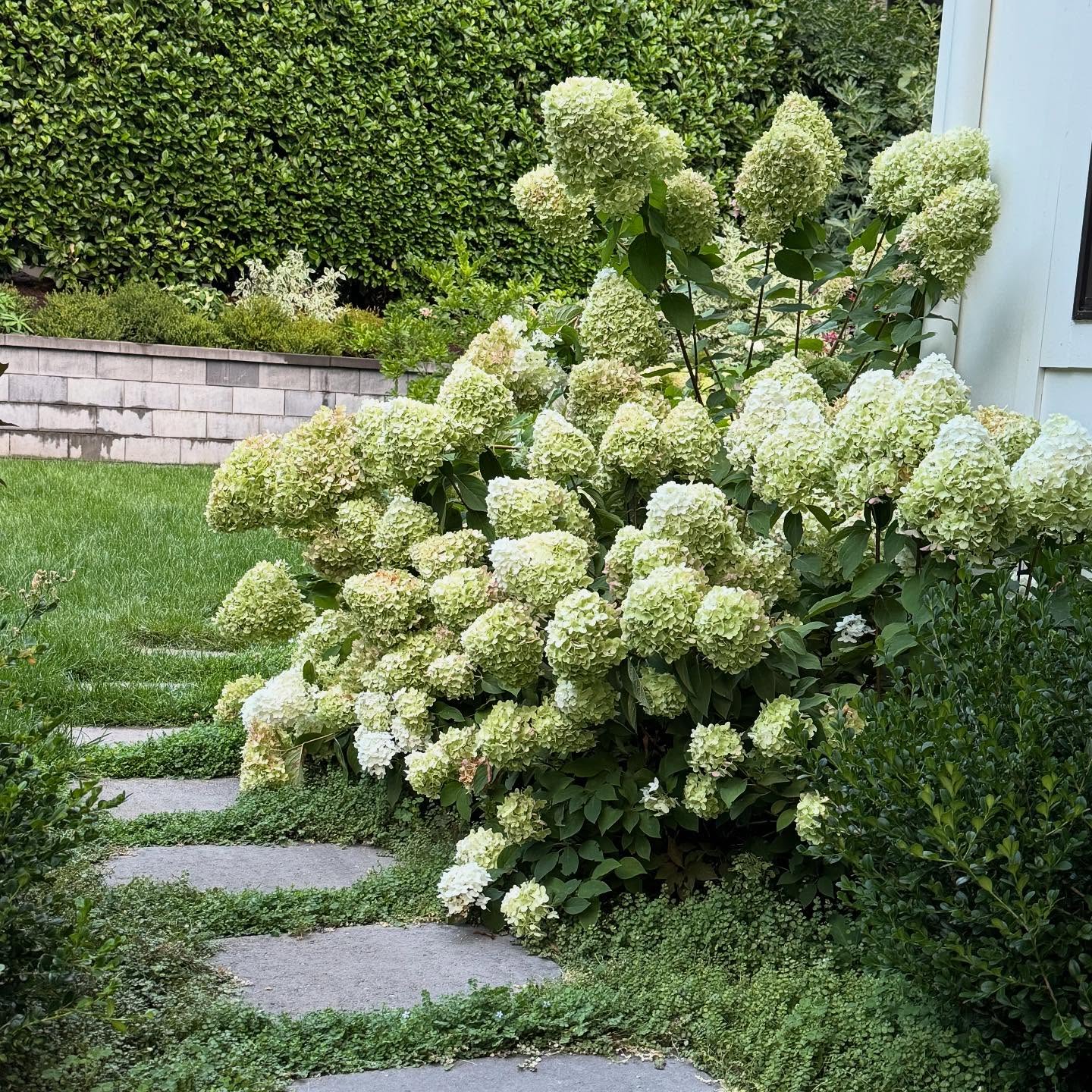
Landscaping with color involves more than just splashing a variety of hues across your garden. To create a cohesive and visually pleasing landscape, it is essential to understand the color wheel and how different colors interact. Complementary colors, those opposite each other on the color wheel, such as purple and yellow, can create striking contrasts that add excitement and energy to your design. On the other hand, analogous colors, which sit next to each other like blue and green, provide a more harmonious and tranquil effect.
Plant selection plays a pivotal role in achieving these vibrant combinations. When choosing plants for your landscape, consider their blooming seasons and how the colors will evolve throughout the year. Combining annuals and perennials can ensure that your garden remains colorful through every season. Annuals, such as bright marigolds and zinnias, offer intense seasonal bursts of color, while perennials like coneflowers and daylilies provide a reliable, recurring presence year after year.
Structure in landscape design refers not only to the plants themselves but also to how they are arranged. Incorporating a variety of plant heights can add depth and interest to your garden. Taller plants like sunflowers or delphiniums can create a backdrop, while medium-height fillers like lavender add texture and scent. Ground covers such as creeping thyme or sedum provide a lush carpet of color underfoot and can help unify the design.
Don't overlook the importance of foliage when aiming for a vibrant landscape. Foliage plants like hostas and coleus come in a variety of shades and textures that can complement or contrast with floral displays, adding another layer of visual interest. Using foliage with different shades of green, silver, or even burgundy can provide a unique twist to your garden design, making the flowers stand out more vividly.
While it’s important to plan your plant combinations carefully, flexibility should also be a part of your strategy. Plants can behave unpredictably with changes in weather conditions or soil quality. Regularly assess your garden’s performance and be open to adjusting your plans. Experimenting with different plant groupings over time can lead to unexpected successes and a more personalized garden.
In conclusion, designing a landscape with vibrant plant combinations is both a science and an art. By understanding the dynamics of color theory, choosing plants with care, and considering the structural role of plants in your design, you can create a garden that is as dynamic as it is beautiful. At Courtney Lewis Landscape Design, we believe that every garden can tell a story through the colors and textures it displays, offering a peaceful yet invigorating oasis for enjoyment and serenity. For expert advice tailored to your individual landscape aspirations, consider reaching out to our professional team for a consultation. Together, we can transform your outdoor space into a harmonious blend of nature and art.