Colorful Contrasts: Designing Landscapes that Celebrate Vivid Hues and Textures Jun 19, 2026
The first step in designing an alluring landscape is understanding the dynamics of color. Colors in the garden are not just about individual plant choices but how they interact with one another. By combining different hues, you create focal points that draw the eye and add depth to your garden. A strategic blend of colors like warm reds, cool blues, and bright yellows can evoke different moods, creating a sensory experience every time you step outside.
Consider the impact of selecting plants that offer seasonal color changes. This approach ensures your garden stays lively throughout the year. Selecting perennials that bloom in different seasons, such as tulips in spring, vibrant daisies in summer, and chrysanthemums in autumn, maintains a dynamic and ever-changing palette. Additionally, incorporating plants with richly colored foliage can provide vibrant backdrops that support your primary color themes.
Textures play a pivotal role in landscape design as well. Mixing plants with varying leaf structures, such as the feathery fronds of ferns against the broad leaves of hostas, introduces layers of interest. Likewise, grasses can provide a graceful sway with the wind, contrasting beautifully with the boldness of larger shrubs. These textural contrasts make gardens feel more natural and engaging.
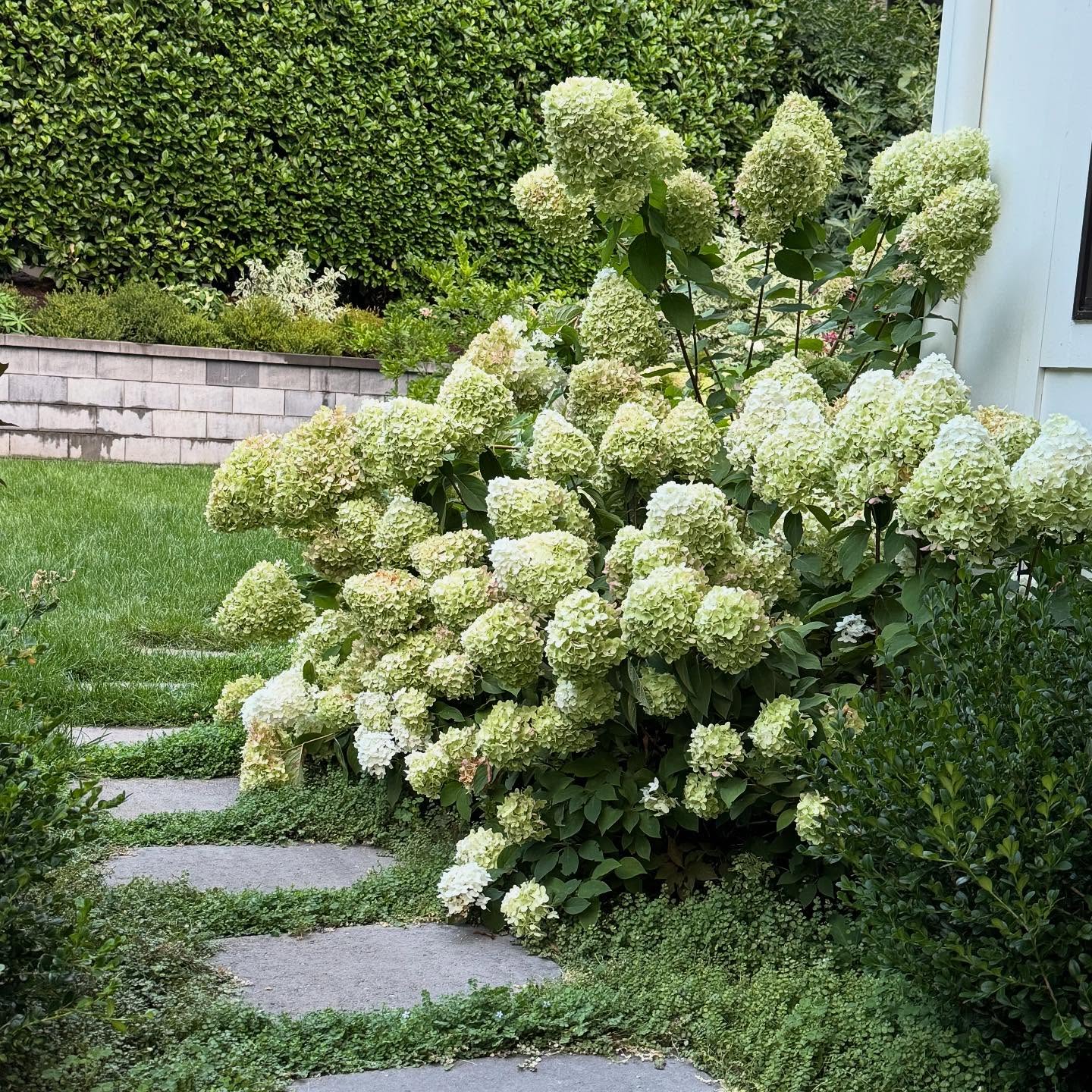
It’s also crucial to consider the harmony between hardscape elements and your plant choices. Hardscape elements such as stone pathways, wooden benches, and metal features can either complement or harmoniously clash with the organic elements of your garden. By choosing materials that enhance your color palette, you can create seamless transitions between the hard and soft elements of your landscape. For instance, a rustic stone path can emphasize earthy tones, while a painted fence might highlight the brighter botanicals.
Functional design should not be overlooked when designing landscapes. Walkways should be inviting, leading guests naturally through the space while showcasing your garden’s best features. Lighting is another integral aspect; strategically placed lights can highlight the vivid colors and textures after sunset, creating a warm and inviting ambiance.
For homeowners looking to add a personal touch, incorporating garden art can be an exciting option. Art pieces or sculptures can enhance focal points and provide a narrative thread throughout your garden. The choice of art piece color and material should echo the predominant themes in your landscape, ensuring cohesiveness.
Finally, sustainability should be a guiding principle in any landscape project. Opt for native plants that thrive in your local climate and require less maintenance. These plants not only support local ecosystems but also tend to have vibrant colors that naturally belong in the regional landscape.
By focusing on colorful contrasts and thoughtful texture integration, you create a landscape that not only looks beautiful but also feels alive and offers long-term enjoyment. At Courtney Lewis Landscape Design, we are committed to working with you to explore vibrant designs that enhance your outdoor living space, creating a landscape you’ll love for years to come. Whether you aim for a burst of colors or a soothing sanctuary, a well-balanced approach to design and plant selection will ensure your landscape is both breathtaking and functional.