Connecting Cultures: Designing Multicultural Garden Experiences Jul 19, 2026
The concept of multicultural garden design begins with an appreciation for international plant species and traditional horticulture practices. Imagine taking a stroll through a garden where the serene Zen-like qualities of a Japanese garden blend seamlessly with the vibrant colors of Mediterranean flora. At Courtney Lewis Landscape Design, the vision is to incorporate diverse design elements that honor global influences while respecting the local ecosystem.
A successful multicultural garden thrives on elements that reflect a mixture of cultural aesthetics and symbolism. The inclusion of native plants alongside exotic species from different regions can enhance biodiversity and environmental balance. By selecting plants that are both visually stunning and environmentally beneficial, gardens become vibrant stories of cultural confluence. For instance, integrating the sage of American prairies with the bamboo of Asian landscapes creates a symphony of textures and visuals that convey a message of unity.
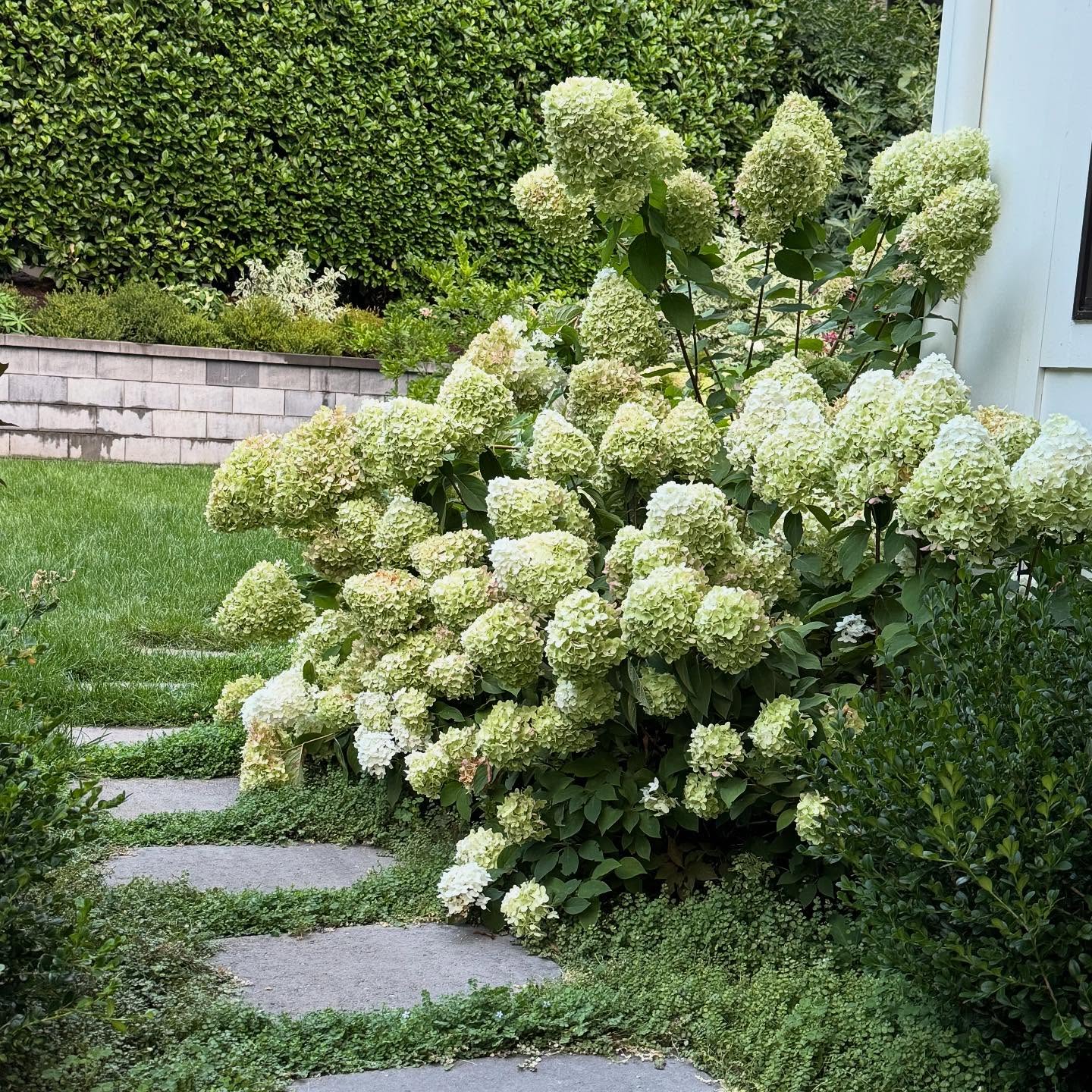
Beyond plant selection, the physical layout and focal points of the garden can tell a cultural tale. Seating areas inspired by Moroccan courtyards can coexist with stone pathways reminiscent of English country gardens, inviting guests to experience a journey through multiple traditions. Water features, a universal symbol of tranquility and rejuvenation, can be designed to resemble the elegant water courtyards of Islamic art, thus merging function with cultural aesthetics.
Engagement with multicultural garden design extends beyond passive admiration; it invites active participation and education. Incorporating descriptive signs that explain the cultural origins and significance of different garden elements transforms an ordinary visit into an informative cultural exploration. Educational workshops and events can further enhance this interaction, providing opportunities for the community to learn about and celebrate diverse horticultural traditions.
Courtney Lewis Landscape Design emphasizes the importance of balancing cultural diversity with sustainability. Responsible garden design should always consider the ecological impact, ensuring that the planting scheme aligns with local climate conditions and minimizes resource usage. This approach not only preserves the environment but also teaches valuable lessons in sustainable gardening practices across different cultures.
An impactful multicultural garden should also be an inclusive space for community engagement and celebration. Hosting cultural events, garden tours, and seasonal festivals within the garden can foster a sense of belonging and highlight community diversity. Such initiatives not only strengthen community ties but also create a platform for cultural exchange and mutual appreciation.
In conclusion, designing multicultural garden experiences with Courtney Lewis Landscape Design is about more than just landscaping—it's about weaving a rich tapestry of cultural engagement and environmental harmony. These gardens stand as living testimonies to the power of design in bridging cultural divides and fostering global understanding. As you embark on the journey of creating your multicultural garden, remember that it is not just a space, but a shared experience that reflects the beauty of diversity. Let your garden be a place where cultures connect, grow, and thrive together.