Embracing Biodiversity: Designing Gardens that Encourage Local Wildlife Dec 28, 2025
Understanding the fundamentals of biodiversity is the first step in designing a garden that encourages local wildlife. Biodiversity refers to the variety of life in a particular habitat or ecosystem. A garden rich in plant species will attract a diverse range of animals, including insects, birds, and small mammals. These creatures, in turn, contribute to a healthy and balanced environment by aiding in pollination, dispersing seeds, and controlling pests.
To begin the process, consider incorporating native plants into your landscape design. Native plants are adapted to the local climate and soil, making them more resilient and requiring less maintenance than exotic species. They offer food and shelter to native wildlife, ensuring that your garden becomes a bustling ecosystem. For example, planting a mix of flowering bushes and trees provides nesting sites and meal sources for birds.
Water features like ponds or bird baths are excellent additions to gardens aiming to support wildlife. These features not only enhance the aesthetic appeal of your space but also provide a crucial resource for animals. Adding a pond, complete with aquatic plants, amphibians, and water insects, encourages a dynamic range of wildlife. Remember to maintain these water features regularly to ensure a clean and safe environment for the creatures they attract.
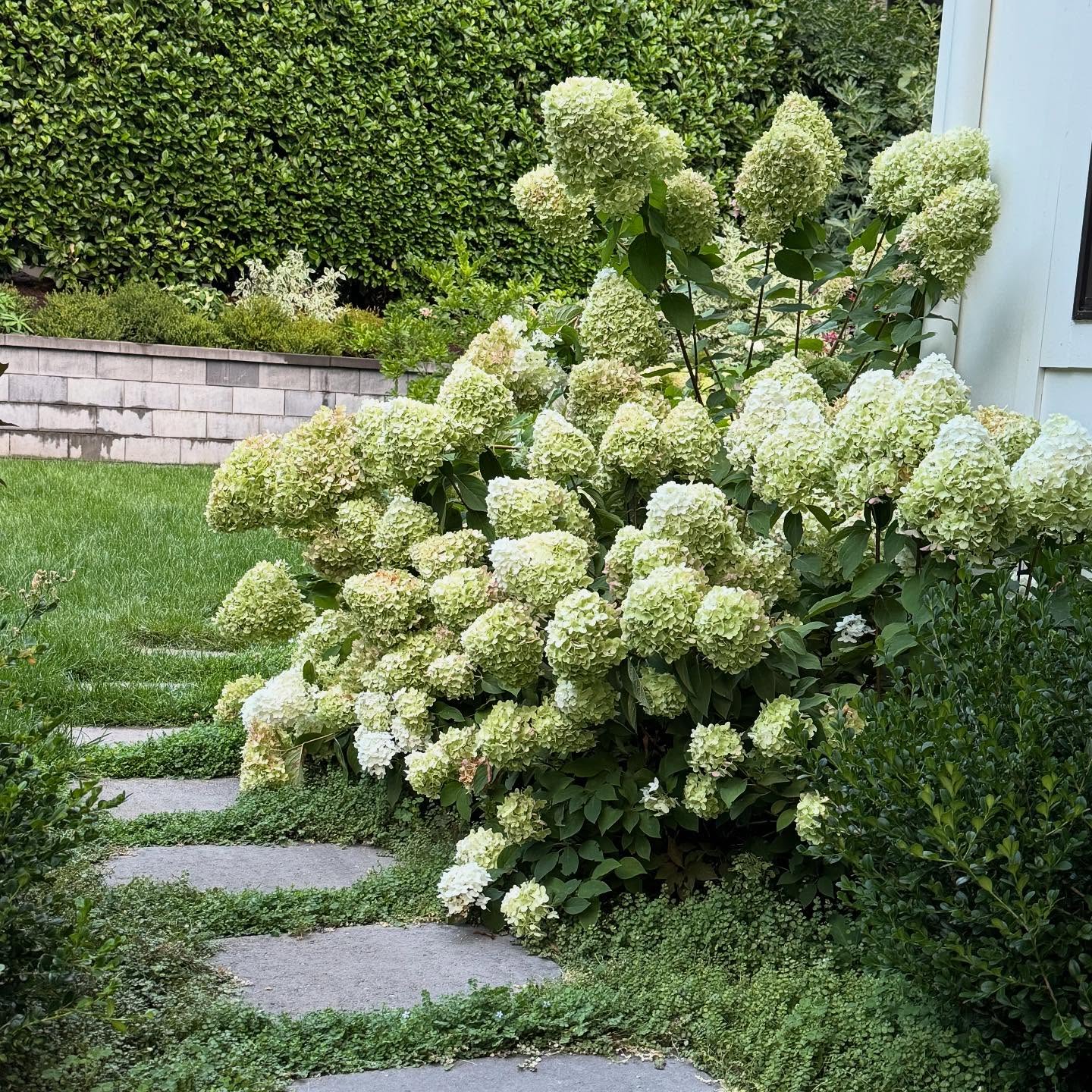
When arranging your garden, strive for diverse plant layers. Include groundcovers, shrubs, and a canopy of trees to mimic nature's vertical stratification. This setup caters to the varying needs of different species, providing various habitats close to each other. Groundcover plants, such as ferns or low shrubs, offer hiding spots for small mammals, while tree canopies attract birds and other arboreal creatures.
Creating wildlife corridors can also enhance your garden's biodiversity. These are strips of native vegetation that connect gardens to surrounding green areas. They serve as highways for wildlife, allowing safe passage between different habitats and reducing the risk of isolation for certain species. If possible, coordinate with neighbors to create a continuous green network within your community, maximizing the impact on local wildlife populations.
Managing your garden sustainably is vital for encouraging biodiversity. Avoid chemical pesticides and fertilizers, opting instead for natural alternatives. This not only reduces harmful runoff but also ensures that your garden remains hospitable to insects like bees and butterflies. These pollinators play a crucial role in maintaining biodiversity and are integral to a thriving garden ecosystem.
In conclusion, designing a garden to support local wildlife involves an understanding of and commitment to biodiversity. By choosing native plants, incorporating water features, and creating diverse plant layers, you can turn your garden into a sanctuary for local species. Embrace this approach to landscape design, and you will find yourself rewarded with a vibrant, living garden that supports the environment and provides endless joy to its visitors. Courtney Lewis Landscape Design stands ready to help you embark on this ecological journey, creating a sustainable and wildlife-friendly environment in your own backyard.