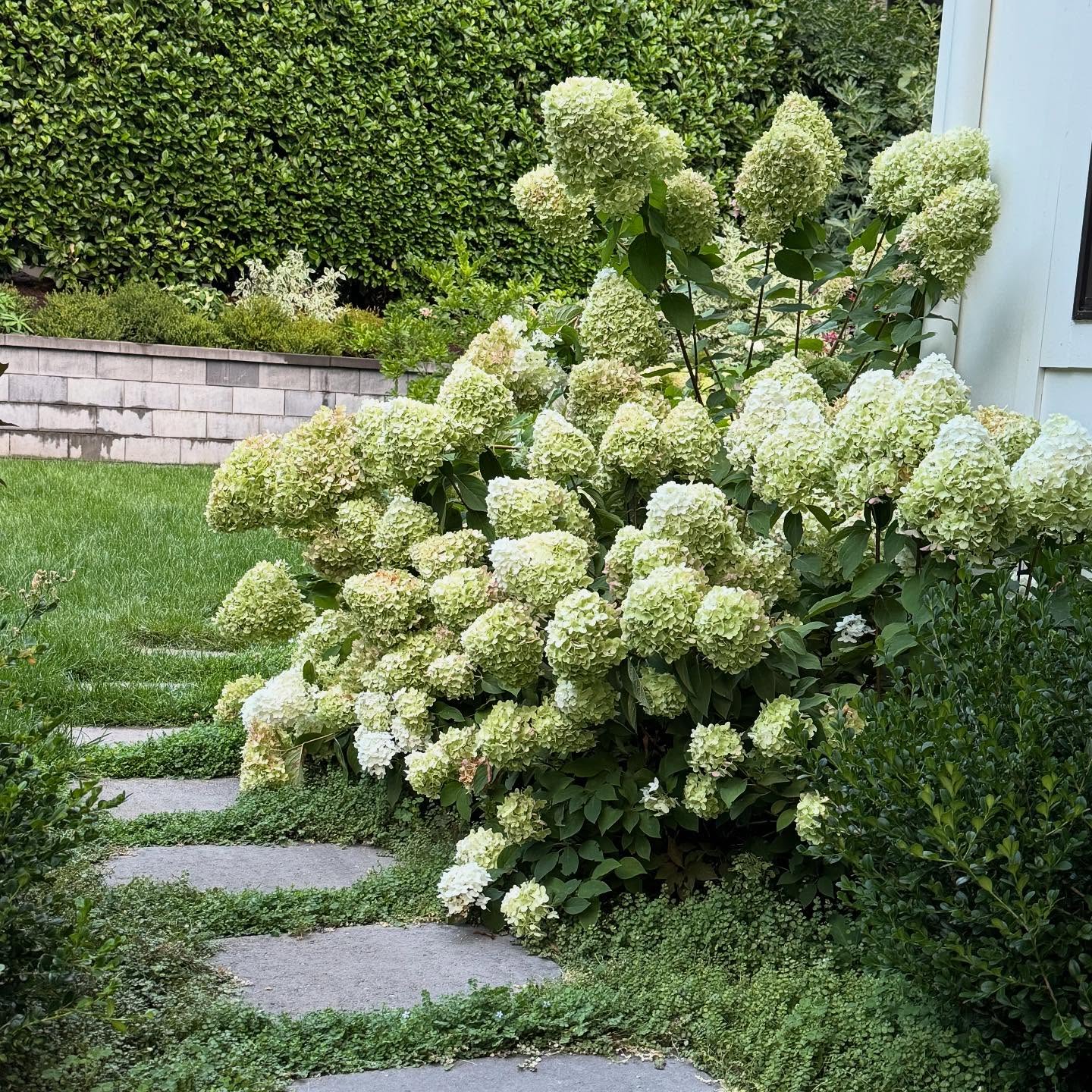
Garden Geometry: Structuring Spaces with Plant Architecture Jul 24, 2026
The idea of garden geometry involves using shapes and patterns, much like an artist uses a canvas, to organize a garden's layout. This approach not only defines physical spaces but also dictates the flow and movement within a garden. At its core, garden geometry is about creating harmony and order, providing both visual appeal and functional space within your landscape.
One of the primary techniques in garden geometry is the strategic use of lines. Lines can direct movement, emphasize focal points, and define garden boundaries. For instance, curved lines can soften the look of a landscape and create a sense of mystery and exploration. Conversely, straight lines lend a formal and organized appearance, offering an immediate sense of structure. In plant architecture, hedges, borders, and pathways can be designed with precision to guide the eye and movement.
Shapes like circles, triangles, and rectangles also play a critical role in garden design. Rectangular plots can provide a sense of balance and stability, often used for functional areas within a garden, such as patios or vegetable beds. Circles invite an organic flow, perfect for creating an engaging seating area that encourages conversation. Meanwhile, triangular shapes and angles can add dynamism and interest, breaking up more traditional forms and introducing visual intrigue.
At Courtney Lewis Landscape Design, we emphasize the importance of scale and proportion. These elements ensure that the garden feels cohesive and balanced. Large, dominant plants can create stunning focal points, drawing the eye and establishing hierarchy within the space. Smaller, less conspicuous plants play a supporting role, filling in gaps and highlighting the dominant features without overpowering them.
Plant architecture, or the structural characteristics of plants used in garden design, is integral to this geometric approach. Selecting plants with varied heights, textures, and forms can enhance the three-dimensional quality of your garden. Vertical elements like trees or tall grasses add height and drama, while ground covers or low-growing shrubs can create lush, intricate layers below.
Moreover, plant architecture isn't limited to the visual aspect. Choosing plants that thrive in your specific climate and soil conditions ensures sustainability and long-term success. Plants should be considered not just for their immediate aesthetic contribution but for their growth, seasonal changes, and how they interact with the surrounding environment over time.
In conclusion, structuring spaces with plant architecture through garden geometry allows for endless creativity and personalization. It transforms ordinary zones into extraordinary experiences, integrating nature with design. At Courtney Lewis Landscape Design, we invite you to explore the possibilities of garden geometry in your own outdoor spaces. By thoughtfully selecting and arranging both hardscape and plant material, you can create a garden that is not only beautiful to behold but also a joy to inhabit. Whether you are looking to revamp a small backyard or develop an expansive estate, the principles of garden geometry offer a framework that merges artistic vision with functional living spaces.