Garden Infrastructure: Strategies for Enduring Landscape Designs Aug 22, 2026
To begin with, consider the importance of soil health in building a sustainable garden. Healthy soil acts as the backbone of any landscape project. It provides the nutrients necessary for your plants to thrive. Regular soil testing is essential to understand its composition and ensure that it can adequately support your garden’s flora. Amend the soil with organic compost and natural fertilizers to enhance its fertility. Sustainable practices such as crop rotation and the use of cover crops can also boost soil health over time.
Next, focus on water management, which plays a crucial role in garden sustainability. Efficient irrigation systems ensure your plants receive the right amount of water, minimizing wastage. Consider implementing a drip irrigation system, which conserves water by delivering it directly to the plant’s roots. Rain gardens and permeable paving are other excellent strategies to manage runoff and prevent soil erosion, ultimately safeguarding your garden’s structure.
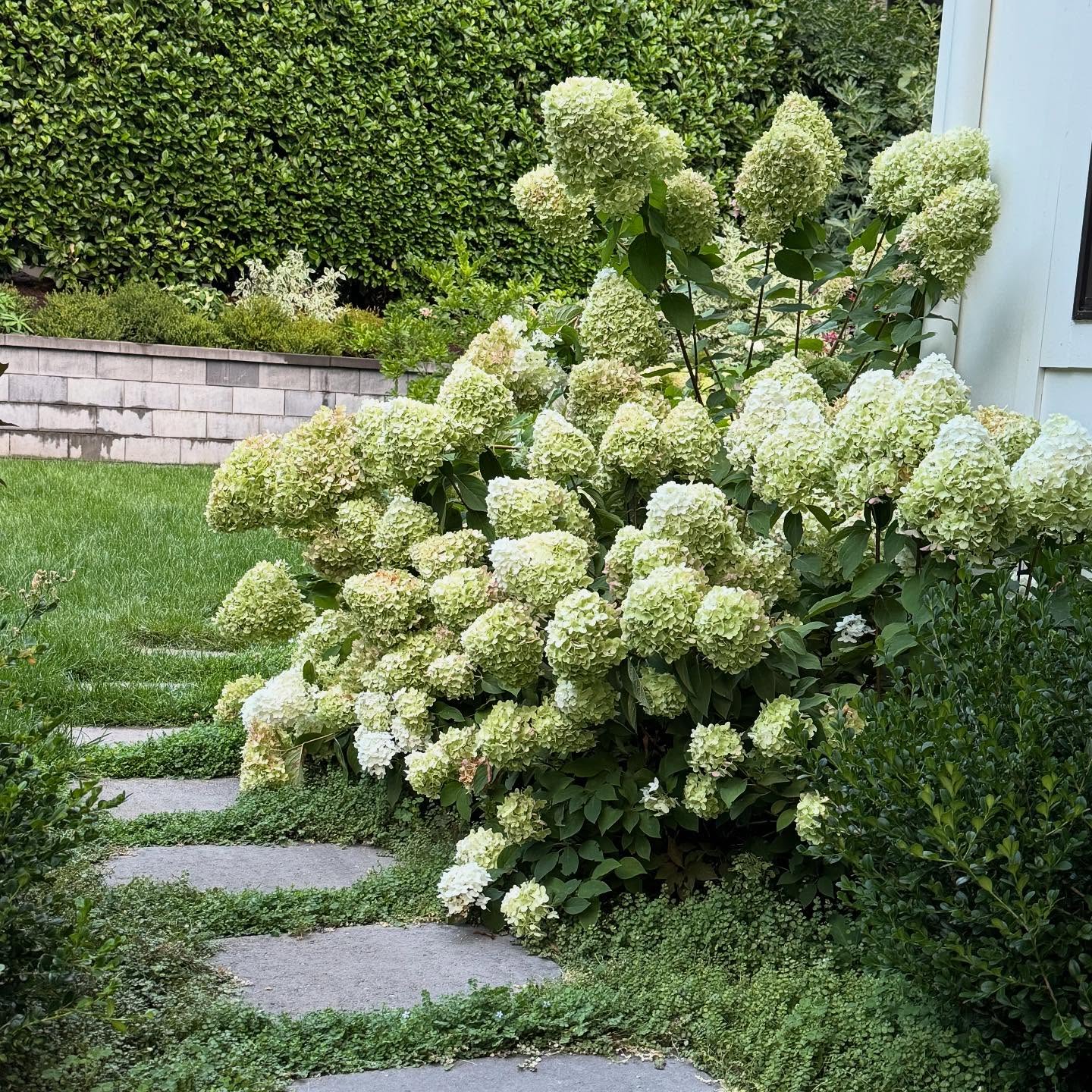
The selection of resilient plant species is a pivotal aspect of enduring landscape design. Opt for native plants that are well-adapted to the local climate and soil conditions. Local flora requires less maintenance and is more resistant to pests and diseases. At Courtney Lewis Landscape Design, we emphasize the use of such sustainable plant choices that blend beauty with practicality.
Structural elements contribute significantly to the durability and aesthetic appeal of your garden. Hardscaping features like pathways, retaining walls, and patios help define spaces within your landscape while providing practical benefits such as soil retention and easy accessibility. Choose materials that not only complement your garden’s style but also withstand environmental challenges. Stone, brick, and recycled materials can offer both longevity and low environmental impact.
Incorporating biodiversity is another strategy to ensure your garden’s enduring charm. A mix of different plant species not only increases visual interest but also supports a variety of pollinators and other wildlife. Aim to create diverse habitats within your landscape, such as bird-friendly areas or butterfly gardens. This approach fosters a healthy ecosystem that can adapt and flourish over time.
Routine maintenance cannot be overlooked when discussing garden infrastructure. Regular tasks such as pruning, weeding, and pest management are essential to preserve the integrity of your design. Implement a seasonal maintenance schedule that aligns with your plants’ growth cycles and climatic conditions. Utilizing sustainable gardening practices, like mulching and composting, further enriches the soil while reducing waste.
In conclusion, creating a garden with a durable infrastructure requires a thoughtful approach that combines careful planning with sustainable practices. At Courtney Lewis Landscape Design, we prioritize these strategies to help clients build landscapes that are not only visually stunning but also resilient and environmentally friendly. By focusing on elements such as soil health, water management, plant selection, and biodiversity, you can cultivate a garden that thrives for many years to come. With the right investment in garden infrastructure, your outdoor space can become a timeless sanctuary.