Green Infrastructure: Integrating Sustainable Practices into Landscape Design Apr 14, 2026
Understanding Green Infrastructure
Green infrastructure refers to a network of natural and semi-natural systems within urban, suburban, and rural environments that contribute to ecological sustainability. These systems manage stormwater, reduce urban heat, and provide habitats for wildlife. This approach counters the traditional methods that rely heavily on hard infrastructure, such as pipes and sewers, to handle water runoff.
The Role of Sustainable Landscape Design
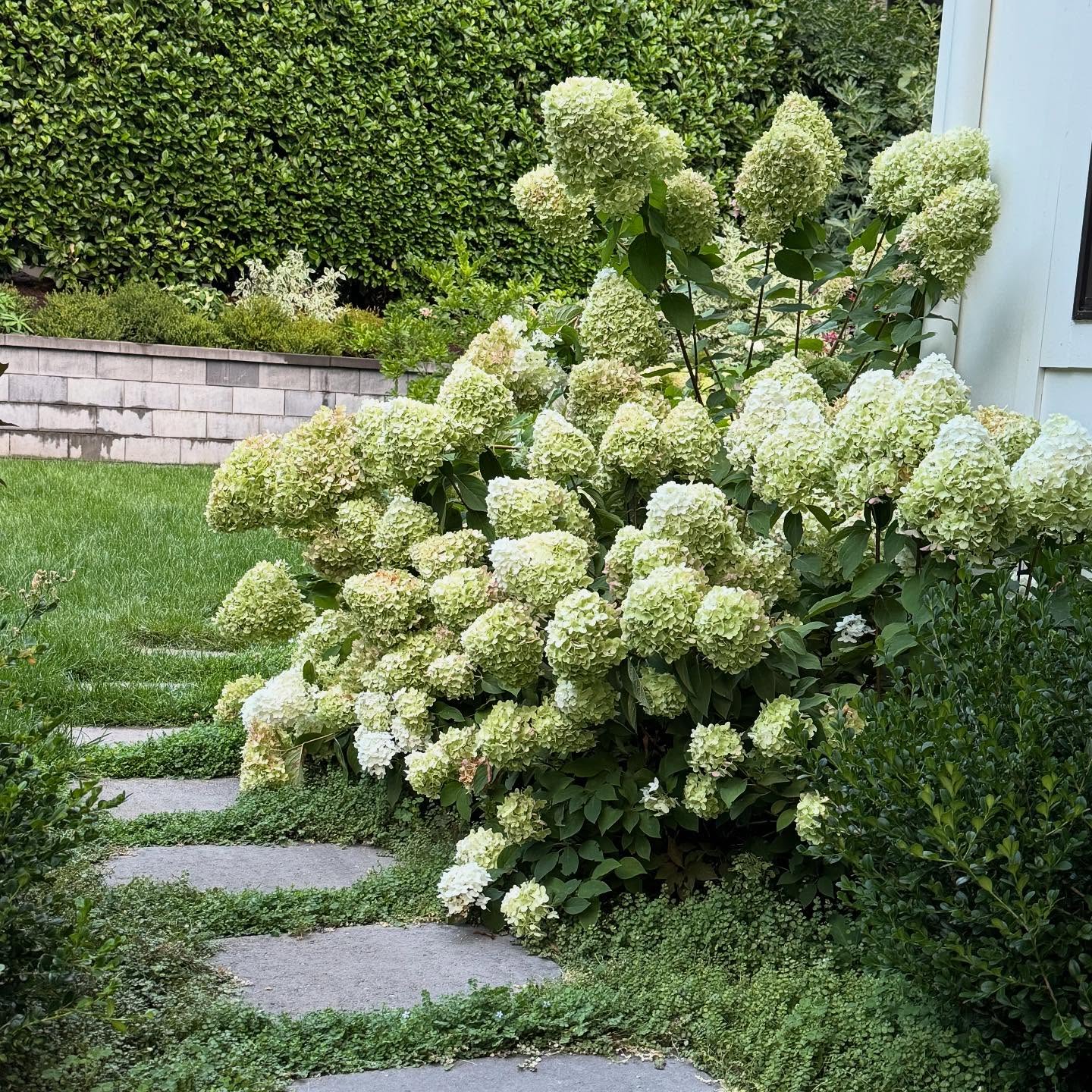
Sustainable landscape design focuses on creating outdoor spaces that are visually pleasing, functional, and ecologically beneficial. This process involves selecting native plants that require less water, using permeable materials to minimize runoff, and incorporating elements that promote biodiversity. By choosing plants suited to the local climate and soil, we reduce the need for excessive irrigation and chemical fertilizers.
Benefits of Green Infrastructure
1. Environmental Impact: By reducing hard surfaces and increasing vegetation, green infrastructure helps manage stormwater naturally, reducing the risk of flooding and water pollution. Trees and plants absorb carbon dioxide, mitigating the urban heat island effect and improving air quality.
2. Economic Advantages: Sustainable designs often lead to lower maintenance costs over time. Reduced water usage and healthier soil reduce the need for extensive lawn care, fertilizers, and pesticides, which are both cost-effective and better for the environment.
3. Enhanced Aesthetics: A well-designed landscape that incorporates green infrastructure can transform a living space into a serene oasis. From lush green roofs to vertical gardens, these features not only improve curb appeal but also increase property value over time.
Implementing Green Infrastructure in Your Landscape
To effectively integrate green infrastructure, it is essential to work with experienced professionals who understand the principles of sustainable design. At Courtney Lewis Landscape Design, we begin by assessing the specific needs and conditions of the site. This assessment includes soil analysis, water drainage patterns, and existing vegetation.
Once we have a comprehensive understanding, we devise a customized design plan. This might include installing rain gardens, which capture runoff and allow it to filter naturally into the ground. We also recommend using permeable paving solutions for walkways and driveways, which reduce impervious surfaces.
Additionally, we advocate for the integration of living walls or green roofs, which add layers of insulation while providing habitats for pollinators and other wildlife. By carefully selecting drought-resistant plants and opting for native species, we ensure that your garden remains vibrant and sustainable throughout the seasons.
Conclusion
Green infrastructure is more than just a trend; it is a fundamental shift towards responsible stewardship of our natural resources. At Courtney Lewis Landscape Design, we are committed to creating landscapes that honor the environment while meeting the practical and aesthetic needs of our clients. By choosing sustainable solutions, we can all contribute to a healthier, more resilient world for future generations.
To explore how you can integrate green infrastructure into your landscape design, reach out to us today and let an environmentally harmonious vision unfold right in your own backyard.