Harmony in Hardscapes: Creating Balance with Natural and Man-Made Elements Jul 06, 2026
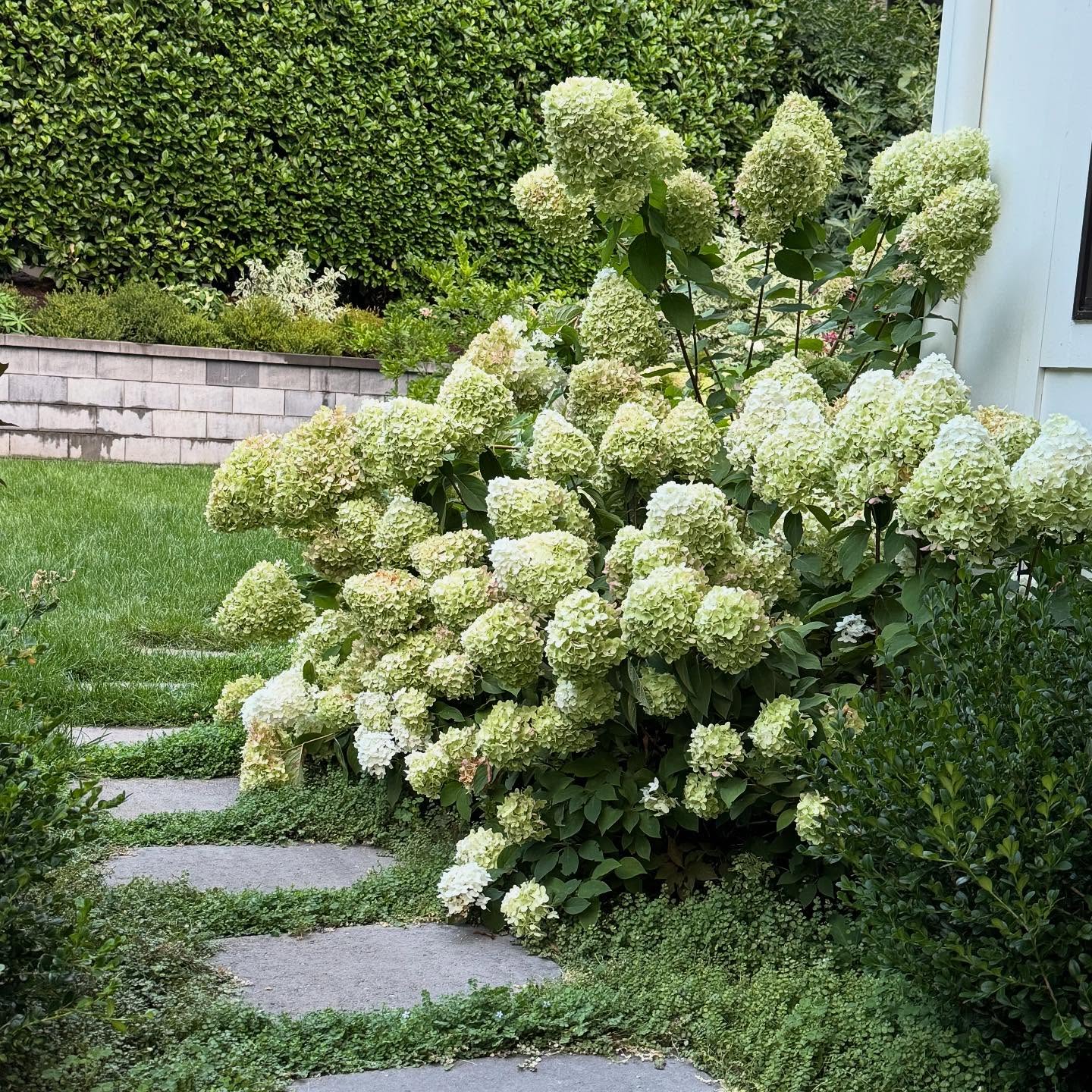
Creating a landscape that feels cohesive requires a thoughtful approach. The initial step is understanding the space itself—its dimensions, the natural vegetation, and the architectural style of the home. These factors guide the selection of both hard elements like patios and paths, and soft elements such as plants and flowers. The ultimate goal is to create a seamless flow from the structured hardscapes to the organic greenscapes.
Hardscaping elements, such as walkways, retaining walls, and patios, provide structure and functionality. They delineate spaces, offering pathways and areas for gathering, while also supporting the terrain. Selecting materials like natural stone or permeable concrete can enhance the aesthetic appeal, while also addressing practical concerns such as drainage. Courtney Lewis Landscape Design often opts for materials that blend naturally with the environment, ensuring that the results are as sustainable as they are striking.
While hardscapes provide the backbone of landscape design, it is the softscaping that breathes life into the layout. Plant choices should reflect the local climate and soil conditions, offering sustainability as well as beauty. Native plants require less water and maintenance, a boon for eco-conscious homeowners. Incorporating diverse species not only adds texture and color but also promotes biodiversity, inviting beneficial insects and birds to the garden.
The interplay of these elements can transform any backyard into a private oasis. One effective strategy is to play with levels—using terraces or stepped planters can add depth and interest. Such designs draw the eye upwards and create distinct zones, each with its own character. For example, a lower patio can serve as a social hub, complete with a fire pit and seating, while an elevated garden offers a serene retreat among lush vegetation.
Lighting plays a pivotal role in the balance between hardscape and landscape, extending the use of outdoor spaces into the evening. Thoughtful placement of LED lights along paths, around water features, and in garden beds can highlight the natural beauty of plants and the craftsmanship of stonework. By emphasizing certain elements, lighting can transform a lovely garden into a breathtaking outdoor living space.
In conclusion, achieving harmony in a landscaped area means creating a partnership between natural elements and man-made structures. At Courtney Lewis Landscape Design, our aim is to craft landscapes that are both beautiful and functional, focusing on the preferences and lifestyle of the homeowner. The integration of hardscape and landscape elements not only increases the aesthetic appeal of a property but also adds value and enjoyment for years to come. By choosing the right elements and placing them strategically, homeowners can enjoy an outdoor space that feels balanced, rejuvenating, and uniquely theirs.