Mirroring Nature: Designing Landscapes that Reflect Local Ecosystems Jan 31, 2026
Understanding the local ecosystem is the first step in designing a landscape that truly reflects nature. Each region boasts a unique climate, soil type, and array of plant species adapted to thrive in local conditions. Our approach starts with an in-depth site analysis, where we assess these crucial elements to ensure the landscape will not only flourish but also contribute positively to the surrounding environment. By selecting native plants, we encourage biodiversity and create a habitat that supports local wildlife.
The benefits of integrating native plants into your landscape are manifold. Native species are inherently adapted to the local climate, meaning they require less watering and maintenance compared to exotic plants. This translates to cost savings and reduced resource usage, making your garden more sustainable. Furthermore, native plants have established relationships with local wildlife, from pollinators like bees and butterflies to various bird species. By choosing indigenous flora, you foster an environment where these creatures can thrive, enhancing the ecological balance.
A landscape designed to reflect its local ecosystem is not only ecologically sound but also aesthetically pleasing. The visual harmony created through plant selection mimics the natural beauty of the surrounding landscape, offering a seamless transition from wilderness to backyard. Understanding the color palette, texture variations, and growth habits of local species allows us to design gardens that capture the essence of the natural environment. This approach ensures your outdoor space feels like an extension of the natural world, providing an enduring connection to nature.
Sustainability is central to our landscape design process at Courtney Lewis Landscape Design. In embracing the principles of sustainable landscaping, we incorporate techniques such as rainwater harvesting, xeriscaping, and mulching, which further align our projects with ecological principles. Rainwater harvesting allows us to utilize natural precipitation, reducing dependence on municipal water. Xeriscaping, which focuses on drought-tolerant plants, minimizes irrigation requirements, while mulching helps conserve moisture and enrich the soil, fostering healthier plant growth.
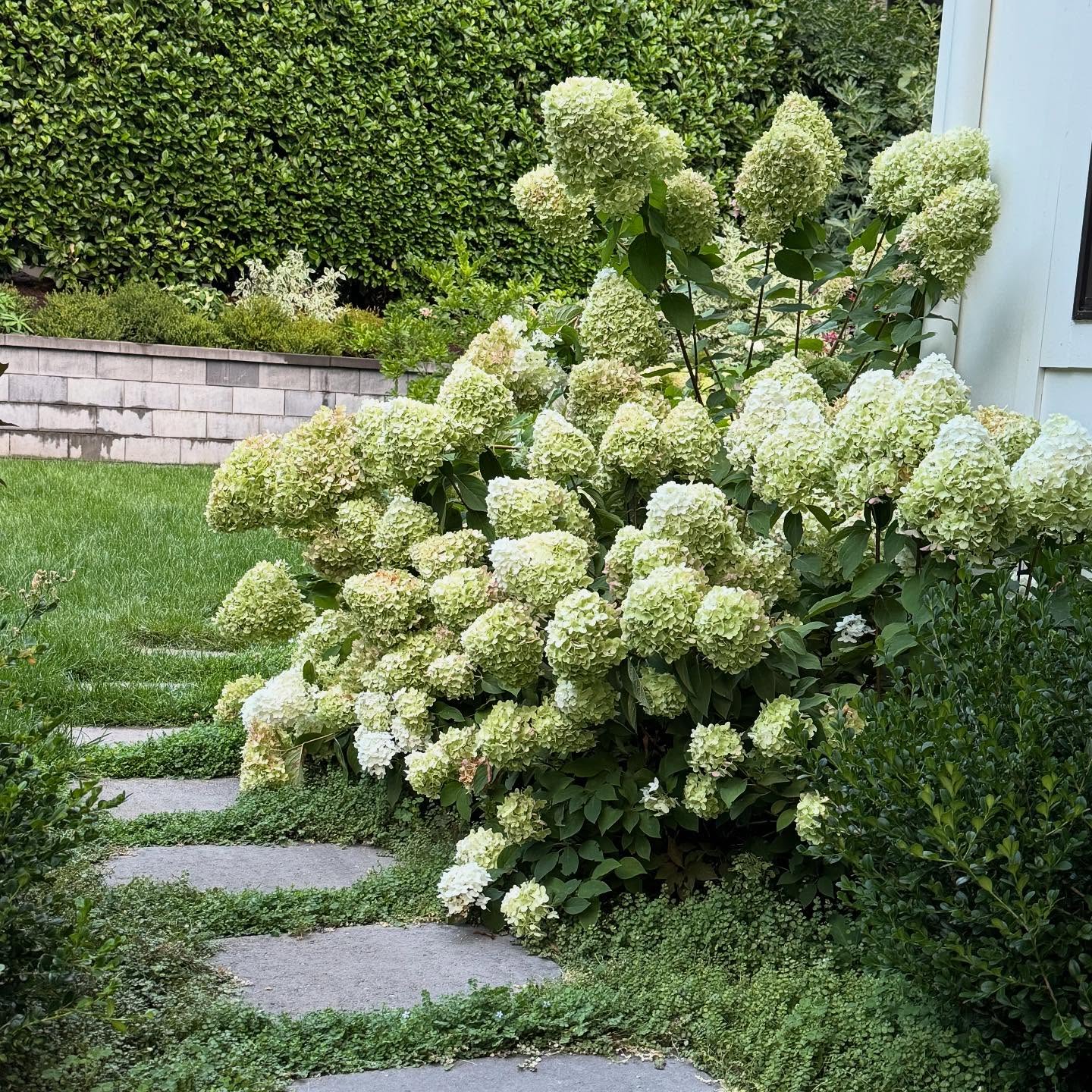
Moreover, incorporating hardscape elements that resonate with the local ecosystem enhances the holistic feel of the design. Using locally sourced stone and sustainable materials for pathways, patios, and walls harmonizes with the environment, reducing the carbon footprint and promoting local industries. These elements provide structure and function while maintaining the natural aesthetic.
Creating a landscape that mirrors its local ecosystem also involves mindful maintenance practices. We advise our clients on sustainable garden care techniques that maintain ecological health and ensure longevity. Practices such as composting yard waste, using organic fertilizers, and integrated pest management are essential to preserve the delicate balance of the ecosystem.
In conclusion, designing a landscape that reflects local ecosystems is a thoughtful process that brings ecological, aesthetic, and personal rewards. At Courtney Lewis Landscape Design, we are passionate about helping you create a sanctuary that is both beautiful and sustainable, providing a space where you can connect with nature while promoting local biodiversity. Embracing these principles not only enhances your property but also contributes positively to the environment, creating a harmonious and enduring landscape.