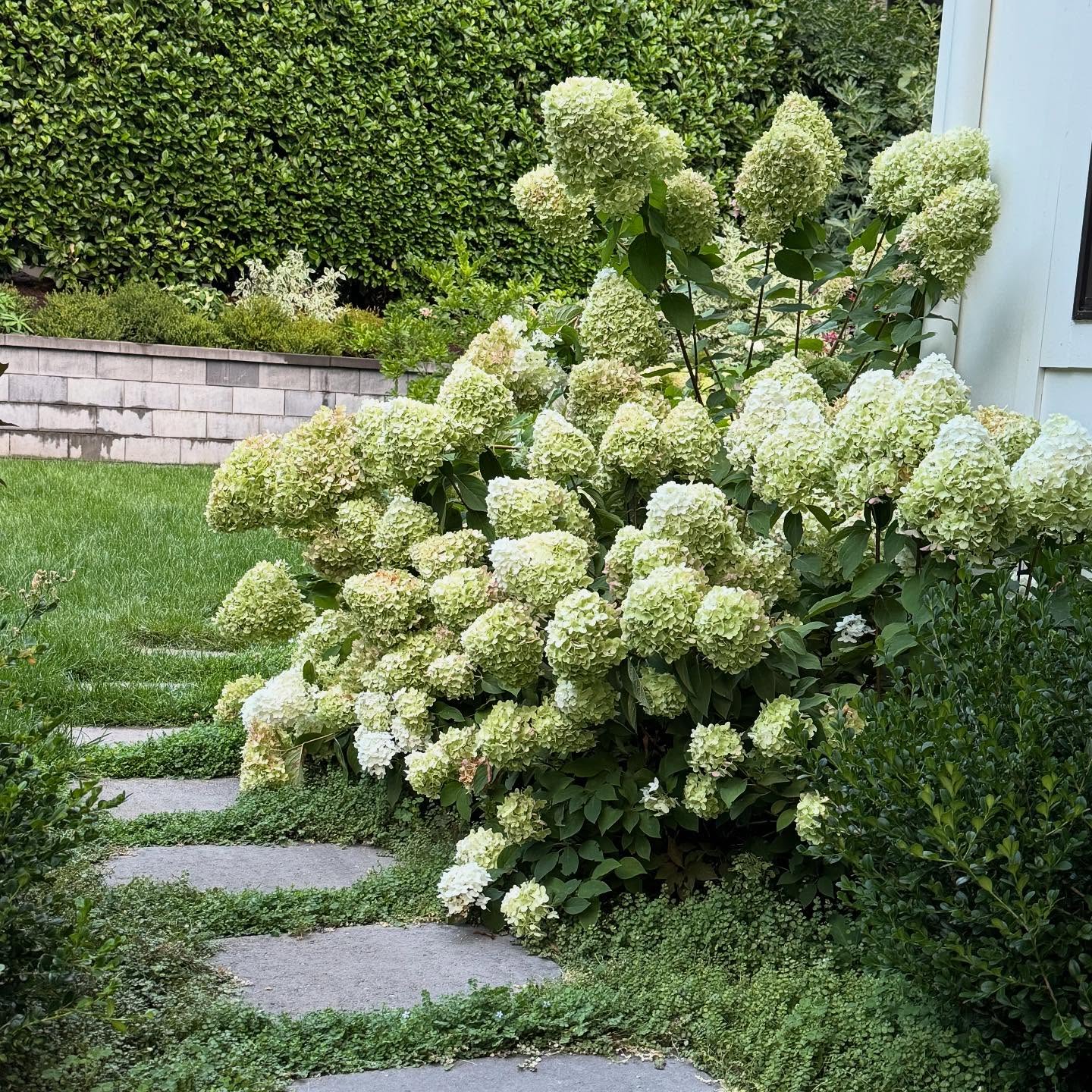
Pollinator Paradises: Designing Gardens that Attract Bees, Birds, and Butterflies Feb 04, 2026
A well-designed pollinator garden starts with understanding the specific needs of the creatures you're inviting into your garden. Bees, birds, and butterflies are not only beautiful to observe but also crucial in the pollination process, which supports plant reproduction. By providing them with a welcoming environment, you ensure they can continue their vital work.
The first step in designing your pollinator paradise is plant selection. Choose a variety of native flowers that bloom at different times of the year. This continuous supply of nectar and pollen will keep pollinators visiting your garden throughout the growing season. For instance, early bloomers like crocuses and late bloomers such as asters provide resources for pollinators in their respective seasons. Native plants are best suited for this purpose as they have co-evolved with local pollinators.
In addition to flowering plants, consider incorporating shrubs and trees into your design. These provide nesting sites and shelter for many species of pollinators. For bees, adding patches of bare soil and dead wood offers opportunities for ground-nesting and cavity-nesting species. Bird-friendly plants such as serviceberry or elderberry not only attract birds with their fruit but also support them with nesting materials and habitats.
Birds and butterflies are particularly attracted to gardens that include water features. Simple additions like a birdbath or a shallow dish with water can make a significant difference. These features provide hydration and support for pollinators during the hot summer months.
Creating a garden environment that avoids pesticides is crucial for maintaining a healthy pollinator population. Even organic pesticides can be harmful, so finding natural alternatives for pest control is essential. Encouraging a diverse range of plants can also deter pests naturally, which supports a thriving and balanced ecosystem.
Color plays a significant role in attracting specific pollinators. Bright-colored blooms like reds and purples draw in hummingbirds, while yellow and blue flowers are more appealing to bees. Designing your garden with a variety of colors, shapes, and sizes can attract a diverse set of pollinators, enhancing the overall dynamics of your garden.
Alongside traditional plantings, think about vertical spaces. Climbing plants on trellises or walls can add another dimension to your garden, providing additional resources and habitat for pollinators. This vertical expansion allows you to maximize limited space and engage more species.
Finally, observational spaces within your garden can enhance personal enjoyment and understanding of these vital creatures. Incorporating seating areas strategically placed by frequently visited plants allows for appreciation and education about the pollinators' habits and roles within your garden ecosystem.
Designing a garden that attracts bees, birds, and butterflies is a rewarding endeavor that enriches both the environment and your personal wellbeing. At Courtney Lewis Landscape Design, we are dedicated to crafting gardens that support these essential pollinators while creating stunning, functional outdoor spaces. A pollinator paradise not only beautifies your landscape but also makes a lasting, positive impact on the world around you.