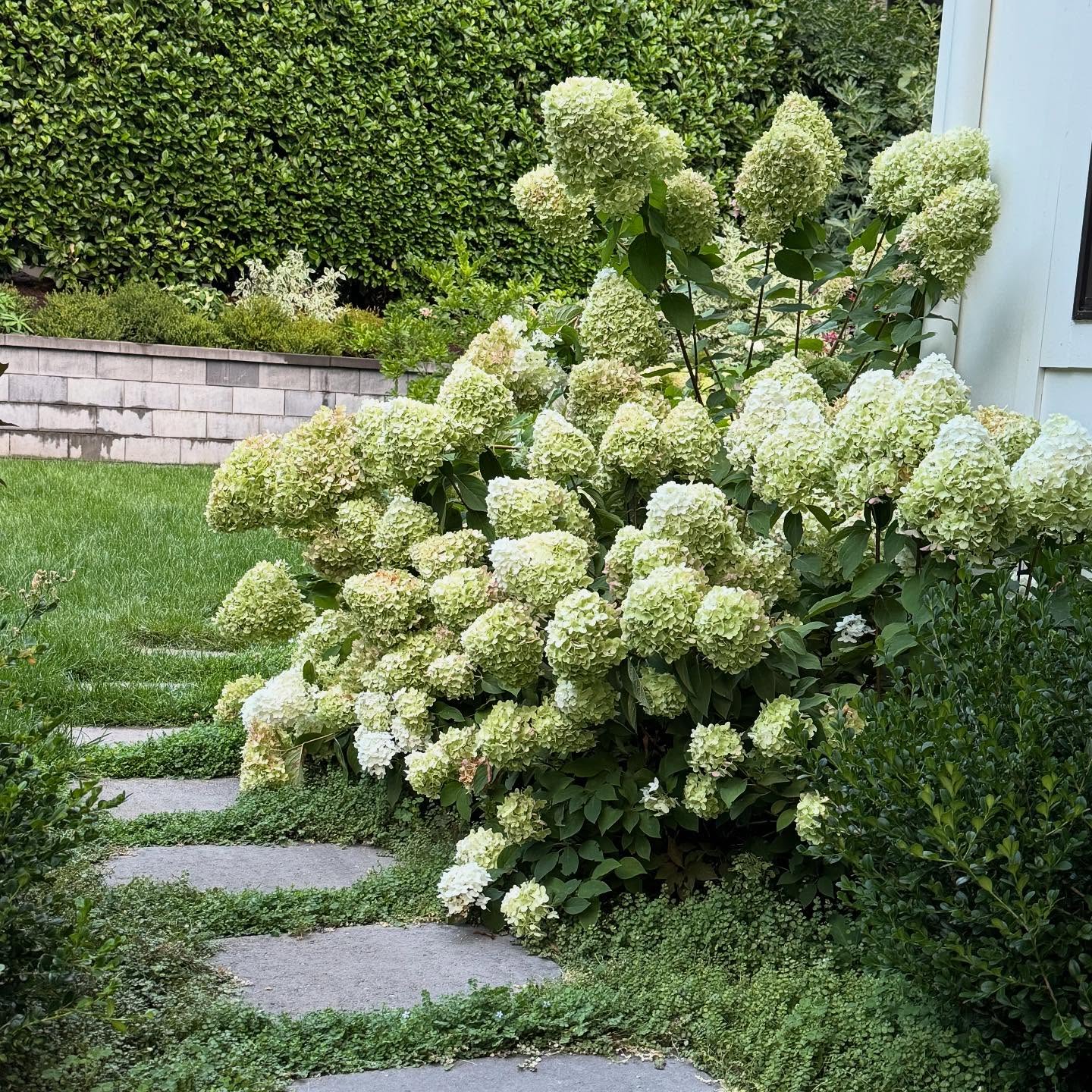
Sculpting with Shadows: Designing Gardens that Play with Light and Dark Sep 17, 2026
To begin the journey of sculpting with shadows, it's crucial to understand the role of light in your landscape. Natural light varies throughout the day and across seasons, altering the visual and atmospheric quality of your garden. By observing how sunlight interacts with existing trees and structures, you can strategically plan where to cast shadows or let light in. This understanding sets the foundation for utilizing light to create dramatic, enchanting spaces.
Once you've mapped out your garden's light patterns, consider the types of plants and features that best complement these spaces. Low-growing plants, like ferns and hostas, thrive in the cool, shaded zones, adding lush, green textures that draw the eye. Meanwhile, sun-loving species such as lavender and ornamental grasses bring vibrant color and movement to sunlit areas. At Courtney Lewis Landscape Design, we blend diverse plant selections to ensure year-round interest and harmony.
Incorporating structures can significantly enhance the interplay of light and dark in your garden. Pergolas or trellises can filter sunlight, creating dappled patterns across seating areas or pathways. These provide not only aesthetic interest but also comfortable, shaded spots for relaxation. Similarly, stone walls or fences can cast striking shadows that change throughout the day, adding depth and intrigue to your garden's design.
Furthermore, water features introduce a reflective element, capturing sunlight and shimmering it onto nearby foliage. A pond or fountain, when placed thoughtfully, acts as a mirror, amplifying the light's presence and creating a breathtaking interplay between elements. At night, strategically placed lighting can take over, casting delicate shadows from plants and structures alike. Solar lights nestled among flower beds or uplighting under trees can highlight your garden's architecture, extending its enjoyment into the evening hours.
In the realm of shadows, play with depth by adding elevation to your landscape. Raised beds or mound formations draw attention to specific areas, creating contrast and dimension. Shadow-casting sculptural elements, like garden statues or unique seating, introduce focal points that attract and captivate.
The art of designing with light and shadow not only enhances the visual appeal of your garden but also enriches the sensory experience of every visitor. The cool touch of shade on a summer day, the play of light through autumn leaves, and the quiet elegance of moonlit gardens each tell their own story.
As you contemplate your own garden's transformation, consider the ways in which light and shadow can sculpt its narrative. By consulting with experts like those at Courtney Lewis Landscape Design, you'll ensure that every beam of light and every stretch of shadow enhances the organic beauty of your space. A well-designed interplay of these elements will lead to a garden that is not just seen, but felt deeply, offering solace and inspiration throughout the seasons.