Textural Delights: Designing Landscapes with a Focus on Texture and Form Jul 30, 2026
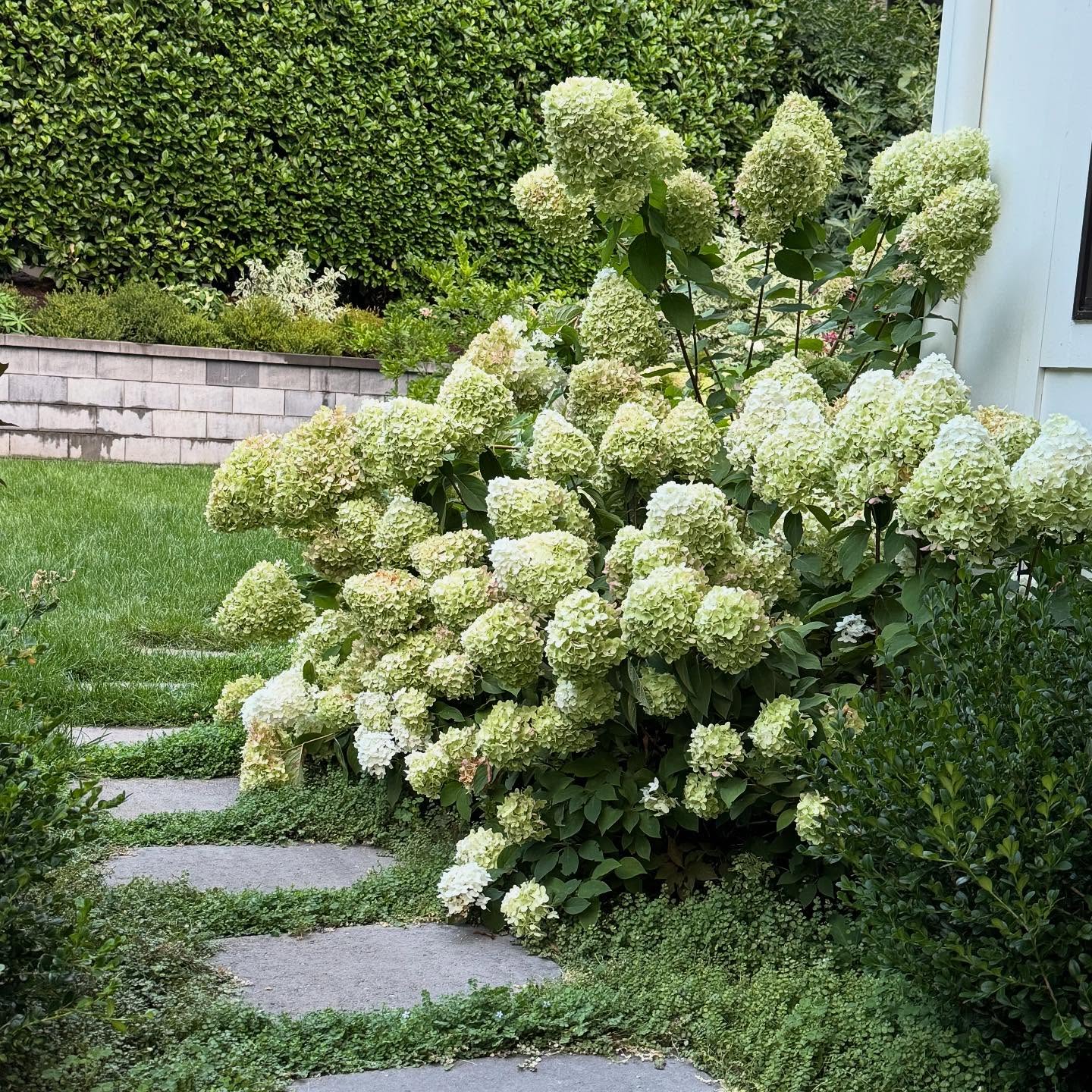
Understanding the concept of texture in the garden is crucial. Texture refers to the surface quality of plants, whether they are smooth, rough, or somewhere in between. It is the varying sensations evoked by different plants, from the feathery touch of ornamental grasses to the coarse feel of rugged bark. When planning a landscape, mixing different textures encourages movement and adds depth to the garden, keeping it perpetually intriguing.
Form, on the other hand, pertains to the physical shape of the plants and landscape features. Whether it’s the roundness of a boxwood, the vertical elegance of a cypress, or the sprawling nature of a ground cover, form draws the eye and guides movement through the garden. Strategic use of form can define spaces and create a focal point, making the garden design not only aesthetically pleasing but functional.
When designing with texture and form, it’s important to strike a balance. Too many contrasting textures can clutter the landscape, while a monotonous palette of forms can render the garden flat and uninteresting. At Courtney Lewis Landscape Design, we approach each project with this balance in mind, ensuring that every detail serves to enhance the overall design.
A simple way to introduce texture is by using a variety of leaf shapes and sizes. Large, lush leaves like hostas can provide a backdrop for finer textures offered by ferns or lavender. This contrast helps create layers within the garden, adding intrigue at every turn. Additionally, incorporating different materials such as stone, wood, or metal can add both texture and form to your landscape. A rustic stone path or a sleek metal sculpture can create a striking contrast to the surrounding green foliage.
Moreover, considering the seasonal changes in your textures and forms ensures that the garden remains dynamic and engaging throughout the year. In winter, when many plants have lost their leaves, the leftover structures of grasses and shrubs can create interest, while in spring and summer, the variety of textures and forms can be highlighted to their fullest extent.
For homeowners seeking to infuse their landscape with these principles, the key is to plan meticulously. Start by observing the qualities of your current plants and envision how introducing varied textures could transform your garden space. Experiment with grouping plants of different shapes and textures together to cultivate a rich tapestry of visual and tactile pleasure.
Ultimately, designing a garden with attention to texture and form is about creating a space that resonates with your personality and style. Whether it’s a tranquil retreat or a vibrant entertaining space, Courtney Lewis Landscape Design is dedicated to helping you manifest a landscape that is uniquely yours. Through careful selection and placement, we bring the textural delights of nature to your doorstep, crafting an outdoor space that is not only seen, but felt.
In conclusion, the use of texture and form can transform a simple garden into a lush, inviting landscape that encourages interaction and exploration. By focusing on these elements, you can create a garden that is as engaging and delightful for your visitors as it is for you. Whether you are revamping an existing space or starting from scratch, embracing texture and form will always lead to a more captivating and harmonious garden design.