The Art of Privacy: Designing Secluded Spaces with Greenery and Hardscapes Jul 08, 2026
As urban living becomes more common, homeowners increasingly seek ways to carve out private sanctuaries amidst the hustle and bustle. Landscaping design plays a crucial role in achieving this by using greenery and hardscapes effectively. Selecting the right plants and positioning them strategically can help create an intimate atmosphere, while thoughtfully designed elements like stone walls and pergolas enhance both privacy and aesthetics.
The first step in designing a secluded space with greenery is understanding the role of plants as natural barriers. Evergreen hedges are a popular choice because they offer year-round coverage and absorb noise from surrounding areas. Tall grasses and bamboo can also be excellent additions due to their rapid growth and dense foliage. When choosing these plants, consider the local climate and the amount of sunlight your garden receives to ensure thriving growth.
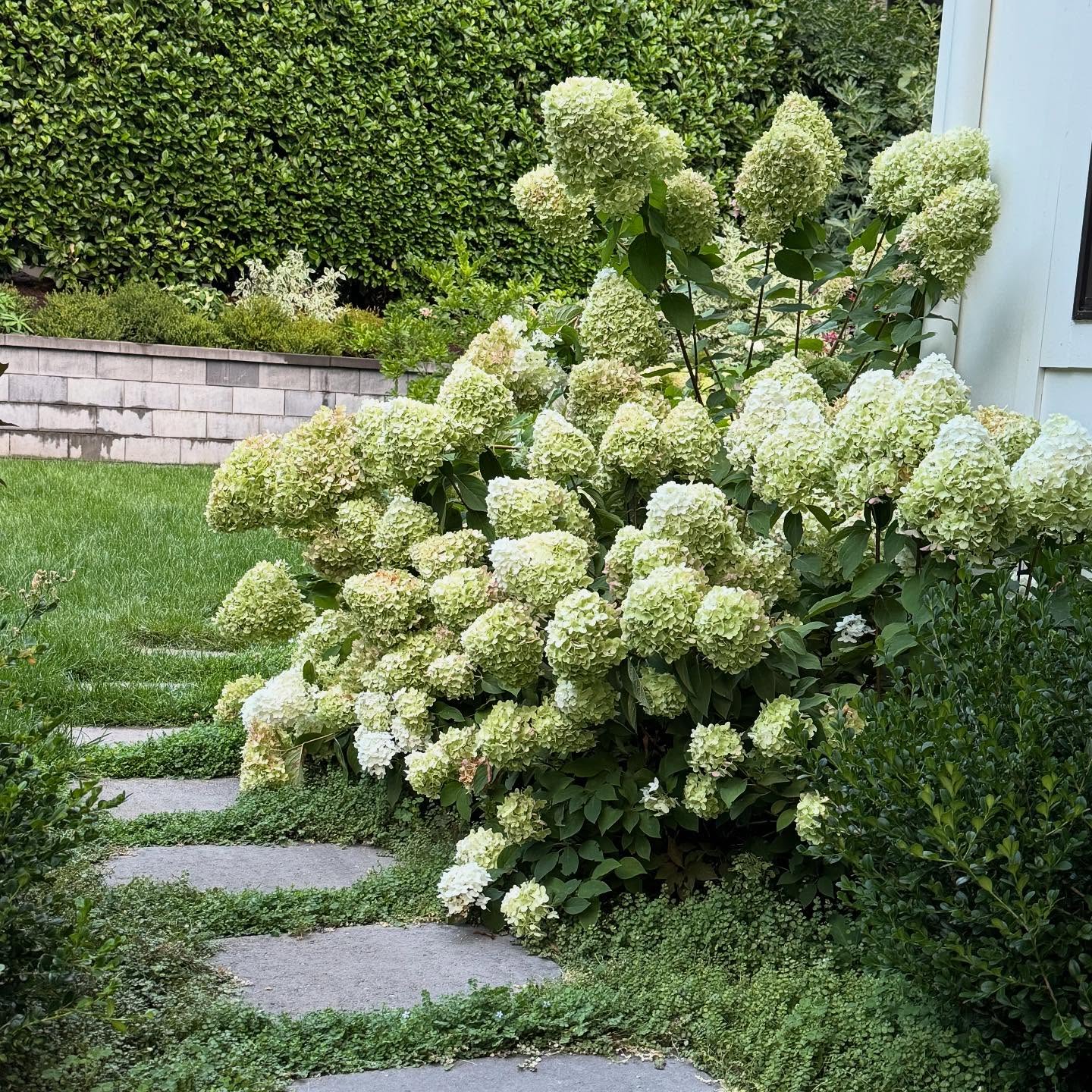
In addition to plant selection, the layout of greenery is vital in creating privacy. Layering plants at different heights can prevent unwanted views both into and out of your garden. Begin with taller elements like trees or large shrubs, followed by mid-height plants, and finish with ground cover or flowering plants. This layered approach not only provides privacy but also adds depth and visual interest to the garden.
Hardscaping complements the natural aspects of your design by adding structural elements that further enhance seclusion. Fences and walls are traditional options for creating private spaces, but they can be tailored creatively to suit the style of your home. Stone or brick walls offer a timeless look while wooden or metal fences can be styled with patterns or lattices to add a decorative touch.
Pergolas and trellises are other hardscaping features that can increase privacy while also supporting climbing plants. These structures provide partial shade and can define a cozy nook within a larger garden. Courtney Lewis Landscape Design often incorporates these elements, recognizing their ability to create intimate, semi-enclosed areas that feel like an extension of the indoor living space.
Lighting plays a pivotal role in extending the use of your private garden oasis into the evenings. Consider incorporating solar lights along pathways or spotlights to highlight specific plants or features. Soft lighting around seating areas creates a warm and inviting glow that enhances the sense of seclusion and comfort.
Finally, soundscaping is an often-overlooked aspect of privacy. Introducing a water feature such as a fountain can mask background noise and add a soothing element to your garden. The gentle sound of trickling water not only boosts the feeling of tranquility but also serves as a natural divider, signaling the transition into a personal retreat.
Overall, achieving privacy through smart design requires a balance of greenery, hardscapes, and sensory elements. Courtney Lewis Landscape Design is committed to enhancing outdoor spaces by integrating these principles, ensuring that your garden becomes a cherished retreat. By considering the interplay of living and built features, you can create a lush, secluded sanctuary that offers both beauty and peace. Whether you are planning a major transformation or a simple update, let this guide inspire you to craft your piece of paradise.