The Zen of Xeriscaping: Water-Wise Landscaping Techniques for Tranquil Spaces Dec 05, 2025
Xeriscaping, derived from the Greek word “xeros,” meaning dry, is more than just a landscaping trend; it is a philosophy of design that prioritizes resource efficiency and environmental harmony. As urban environments stress water resources, this approach offers a practical and visually appealing solution.
Implementing xeriscaping involves several key techniques. The first step is meticulous planning and design. This phase is crucial as it ensures the landscape will thrive with minimal water usage. By understanding the specific conditions of a site—such as its soil type, topography, and climate—designers can select appropriate plants and design layouts that maximize water efficiency.
At the heart of xeriscaping is the intelligent selection of plants. Drought-resistant varieties, including native grasses, succulents, and certain perennials, are ideal choices. These plants have adapted to survive on minimal rainfall and can often thrive in poor soil conditions. Courtney Lewis Landscape Design focuses on integrating these resilient species into garden designs, ensuring that landscapes remain lush and vibrant throughout the seasons without excessive watering.
Efficient irrigation systems are another cornerstone of xeriscaping. Traditional sprinkler systems often waste a significant amount of water. Instead, techniques such as drip irrigation or soaker hoses target the root zones of plants directly, reducing water runoff and evaporation. This precision watering method is not only more sustainable but also nurtures healthier plant growth.
Soil management is also a vital component of effective xeriscaping. Improving soil with organic matter, such as compost, increases its ability to retain moisture, providing a reservoir of water for plant roots. Additionally, using mulch around plants can significantly reduce water evaporation from the soil surface, maintaining a stable growing environment.
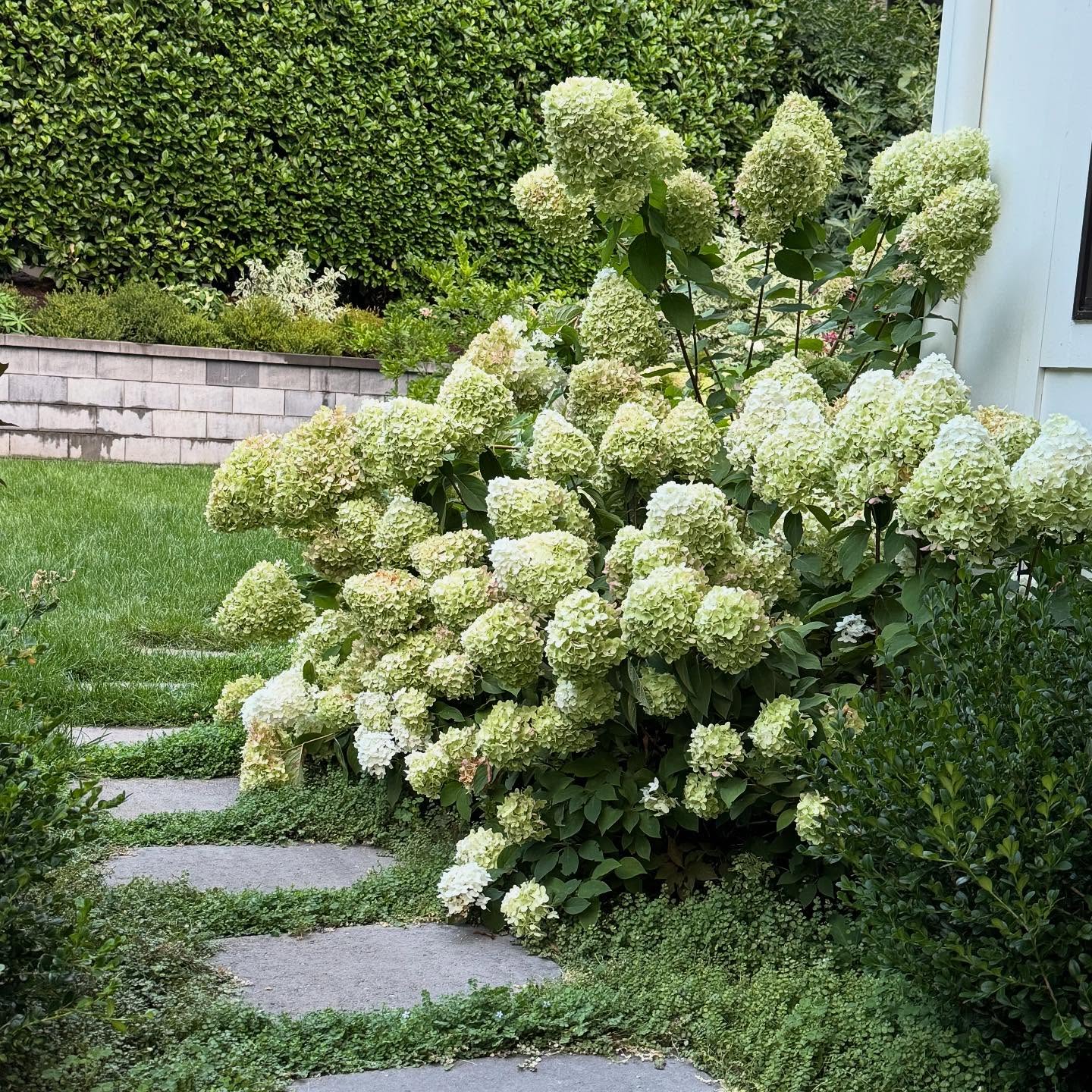
For those aspiring to create a tranquil oasis with minimal water input, hardscaping elements like paving stones, gravel, and decorative rocks can be seamlessly integrated into the design. These elements not only add visual interest and texture but also reduce the area of lawn or garden that needs watering. Courtney Lewis Landscape Design expertly combines these elements to create serene spaces that invite reflection and relaxation.
One of the most appealing aspects of xeriscaping is its ability to offer beauty with less maintenance. Once established, xeriscapes require less attention, allowing homeowners to enjoy their gardens rather than constantly tending them. This reduction in lawn mowing, weeding, and watering not only saves time and effort but also reduces expenses associated with garden upkeep.
In conclusion, the zen of xeriscaping lies in its simplicity and efficiency. By embracing water-wise landscaping strategies, homeowners can contribute to environmental conservation while enjoying stunning, tranquil outdoor spaces. Courtney Lewis Landscape Design remains committed to crafting landscapes that honor the balance between nature and human habitation, offering clients the opportunity to experience the serene beauty of a well-designed xeriscape firsthand. As we continue to face diverse environmental challenges, these sustainable practices pave the way for a greener, more harmonious world.