Unlocking the Potential of Small Gardens: Innovative Design Solutions Nov 30, 2025
Understanding the unique characteristics of your small garden is the first step toward an effective design. Each garden has its own microclimate, which influences which plants will thrive. Consider factors such as sunlight, wind exposure, and soil type. These elements will guide your plant selection and layout, ensuring your garden is both beautiful and easy to maintain.
The key to maximizing a small garden space lies in smart planning and creative design. One effective method is vertical gardening, which involves using wall-mounted planters or trellises to add greenery without taking up ground space. This technique not only enhances your garden's aesthetic appeal but also increases its functionality by allowing room for more plants. Moreover, vertical gardens can become a striking focal point or a natural privacy screen.
Incorporating a variety of textures and colors can also add depth and interest to small gardens. Experiment with a mix of foliage, flowers, and planters to create a layered look. For example, contrasting the lush leaves of a fern with the bright blossoms of seasonal flowers can make your garden feel more expansive. Choosing a cohesive color palette helps tie everything together, bringing a sense of harmony to the space.
Multi-purpose features can further unlock the potential of a small garden. Consider installing built-in seating with storage, which provides comfort and additional utility. A bistro table with folding chairs can be included for dining or relaxing, which can quickly be tucked away to free up space. Water features such as a small fountain can add a soothing element to the garden, attracting wildlife and enhancing the overall ambiance.
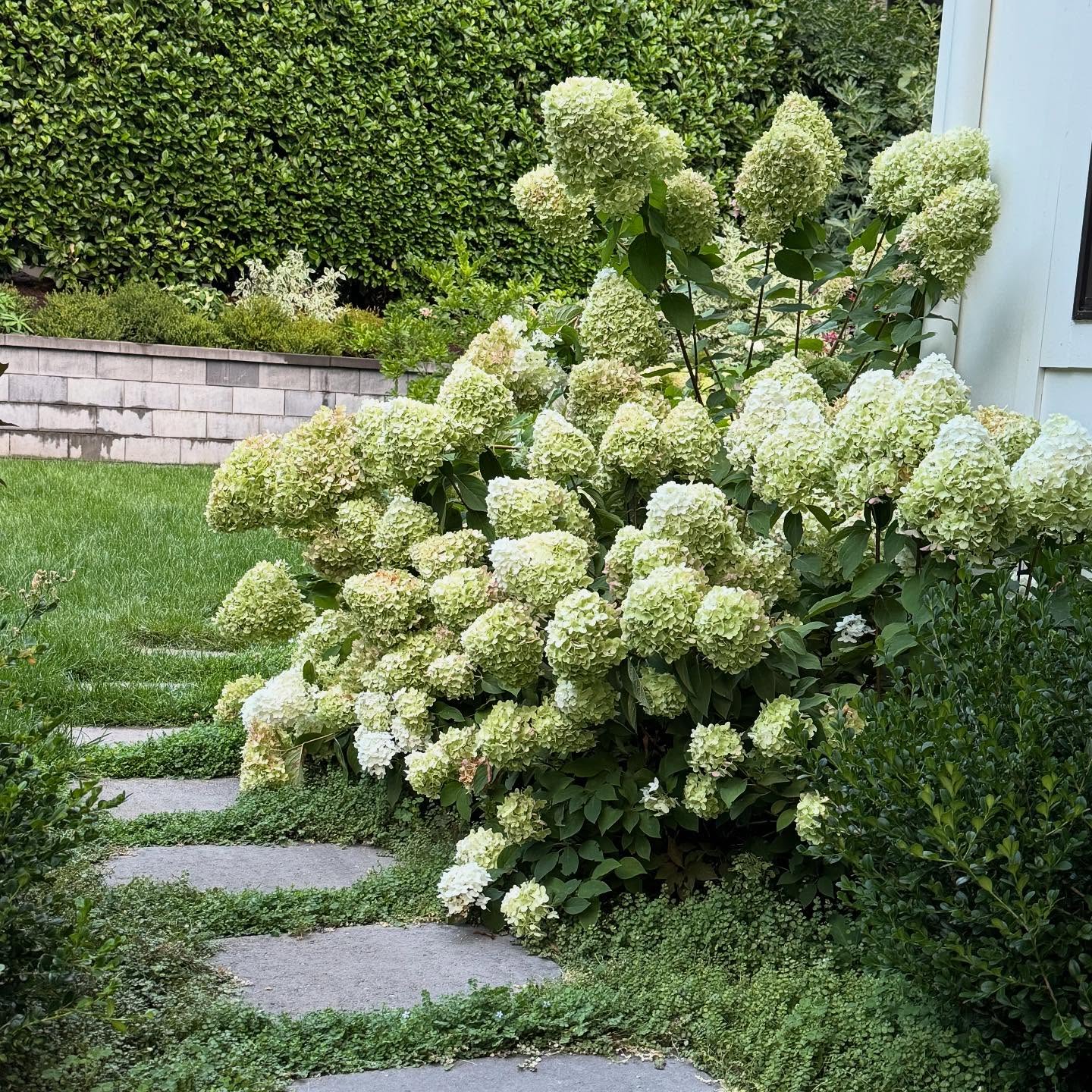
Pathways not only guide movement through the garden but also create the illusion of a larger space. Opt for stepping stones or gravel paths that lead the eye across the garden and invite exploration. Strategic placement of mirrors can also reflect light and increase the perception of space, making smaller gardens appear open and airy.
Choosing the right plants is crucial to the success of a small garden. Select compact or dwarf varieties that are well-suited to your specific conditions. Herbs and edible plants like tomatoes and strawberries can be an excellent choice, serving both decorative and practical purposes. Grouping plants with similar care requirements together can streamline maintenance while promoting healthy growth.
Finally, embrace the change of seasons by updating your garden features. Seasonal swaps in plants, cushions, or decorative elements can keep the garden fresh and engaging year-round. This adaptability ensures that your small garden remains a dynamic and inviting space.
In conclusion, small gardens offer a wealth of creative possibilities when approached with thoughtful design and innovative solutions. At Courtney Lewis Landscape Design, we are dedicated to helping you make the most of your outdoor space, no matter the size. By implementing these strategies, you can transform your small garden into an oasis that enhances your home and enriches your life. Whether you are a beginner or an experienced gardener, unlocking the potential of your small garden is within reach, offering endless rewards and enjoyment.